Finding Your Way Along Somerset’s Green Lanes and Ancient Crossings
Today we dive into Rights of Way and Access: navigating Somerset’s green lanes and ancient crossings with confidence, curiosity, and care. Discover how footpaths, bridleways, restricted byways, and byways open to all traffic interlace with packhorse bridges, stepping stones, and moorland causeways, shaping journeys that honor history, protect landscapes, and welcome every considerate traveler.

Decoding the Map: Footpaths, Bridleways, and Byways

Understanding who can go where transforms a confusing tangle of dashed lines into living routes through hedgebanks, holloways, and ridgelines. We unpack how Somerset’s definitive map underpins public access, how waymark colors guide decisions, and why courteous choices keep fragile tracks open for walkers, riders, cyclists, and, on some lanes, carefully managed motor traffic.

Ancient Crossings: Stones, Stepping Places, and Forgotten Ferries

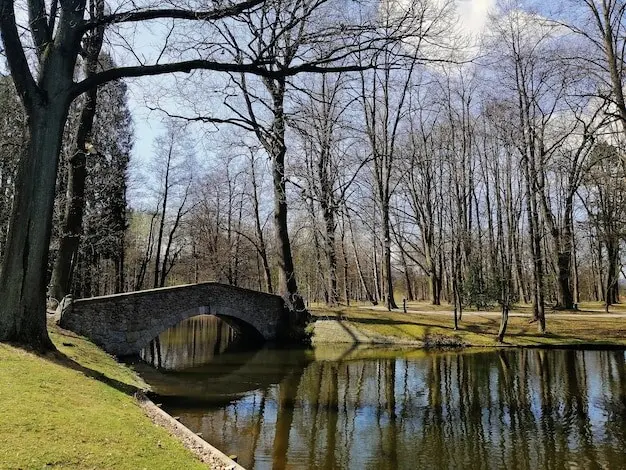
Somerset’s history lies underfoot: clapper bridges spanning moorland streams, packhorse arches worn by wool traders, and raised causeways threading the Levels above winter floods. Each crossing tells of movement and survival. Treat them as museums without roofs—tread lightly, pause to read the water, and let the careful craft of those before us guide present footsteps to safer banks.

Access and the Law: Using the Definitive Map Wisely

Behind every gate and sign sits law and local stewardship. Somerset’s definitive map and statement legally fix routes; the Countryside and Rights of Way Act opens mapped access land for walkers with clear restrictions. Knowing how to report obstructions, understand landowner duties, and interpret lawful orders helps resolve problems constructively, keeping communities, visitors, and cherished landscapes in cooperative balance.

Understanding CRoW and Open Access Land

Open access land, often moor, down, or mapped common, permits walking beyond paths, but excludes cycling, riding, and motor travel. Dogs must be on short leads during the bird-nesting season and around livestock. Follow local notices, respect fire risk alerts, and treat unseen ground conditions—bogs or hidden holes—with humility. Freedom expands when informed boundaries are accepted and carefully observed.

Obstructions, Bulls, and Gates: What to Do

Encountering a locked gate, aggressive signage, or fallen tree? Record grid reference, photos, and clear details, then contact the county rights of way team or use the online reporting map. Bulls and livestock carry specific rules; avoid provoking situations, choose calm alternatives where signed, and leave gates as found. Prompt, polite reporting solves most issues faster than confrontation or risky detours.
Navigation Skills for Mossy Holloways and Windy Ridges

Maps translate bracken and hedgebanks into knowable choices. Combine OS Explorer sheets with a compass, an offline app, and careful attention to field boundaries, contours, and drainage. In green tunnels or open moor, waymarks can vanish; confidence grows from practiced bearings, conservative decisions about daylight, and backups like power banks, printed extracts, and preloaded GPX files tested before departure.

Sharing the Way: Etiquette with Farmers, Riders, and Wildlife
If cattle cluster ahead, pause and assess. Give cows with calves generous room, skirt calmly without eye contact, and release dogs if chased so you can separate safely. Never feed stock or block gateways. Your calm, predictable movements reassure farmers reviewing footage or passing by, proving that access and animal welfare can coexist with a little patience and empathy.
Trail riders and 4×4 drivers preserve access by choosing dry days, avoiding wheelspin, and steering away from soft verges and archaeological edges. Travel in tiny groups, yield to walkers and horses, and keep revs low near homes. Where doubt persists, don’t drive. Treading lightly sustains delicate surfaces, strengthens community trust, and keeps historic byways welcoming rather than contested battlegrounds.
Pack out litter, including fruit peels that linger on peat. Stay on the firmest line through green lanes, never widening tracks into parallel scars. Avoid trampling reedbeds and banks of rhynes, and treat scheduled monuments as irreplaceable. These wetlands and uplands store carbon, cradle birds, and hold stories in stone; your restraint keeps them intact and quietly generous.

Routes to Try: From Fosse Way Fragments to River Parrett Paths

Taste the variety: Roman alignments under hedgerows, breezy Quantock ridges, and level riverside ambles. Check maps for current access and temporary orders, then set realistic distances with daylight in mind. These suggested lines prioritize firm footing, clear waymarks, and public rights, weaving history and habitat into day-sized adventures you can adapt to weather, companions, and curiosity.
Follow the River Parrett Trail from Langport toward Muchelney, watching for raised paths above flood meadows and church towers floating like islands. Firm boots help on damp edges. Respect seasonal closures, share narrow bridges kindly, and linger where kingfishers flare. This easy line introduces how rivers, causeways, and faith places once stitched communities together across winter’s shallow, gleaming lakes.
Link bridleways and byways that shadow the Coleridge Way for a ridge-and-combe circuit. Ponies graze, skylarks rise, and distant coasts glimmer. Yield to riders, close gates, and step aside on narrow trods. In mist, contour carefully to rejoin broad tracks. Ancient routes greet modern boots best when ambition meets humility, and views reward those who time the weather kindly.

Your Voice on the Path: Reports, Stories, and Stewardship

How to Report and Fix Obstacles Together

When you meet a fallen tree or vandalized sign, mark the grid reference, snap clear photos, and submit a short note through the rights of way reporting tool. Praise good maintenance too—it matters. Volunteers, landowners, and officers collaborate better with constructive detail and appreciative tone, turning single frustrations into smoother journeys for everyone who follows your careful footsteps.

Collective Memory of Crossings

When you meet a fallen tree or vandalized sign, mark the grid reference, snap clear photos, and submit a short note through the rights of way reporting tool. Praise good maintenance too—it matters. Volunteers, landowners, and officers collaborate better with constructive detail and appreciative tone, turning single frustrations into smoother journeys for everyone who follows your careful footsteps.

Subscribe and Help Map the Next Walk

When you meet a fallen tree or vandalized sign, mark the grid reference, snap clear photos, and submit a short note through the rights of way reporting tool. Praise good maintenance too—it matters. Volunteers, landowners, and officers collaborate better with constructive detail and appreciative tone, turning single frustrations into smoother journeys for everyone who follows your careful footsteps.

Dexosanolivoravolaxi
Privacy Overview

This website uses cookies so that we can provide you with the best user experience possible. Cookie information is stored in your browser and performs functions such as recognising you when you return to our website and helping our team to understand which sections of the website you find most interesting and useful.